
Miami by Design: A Guide to the City’s Most Beautiful Residential Architecture
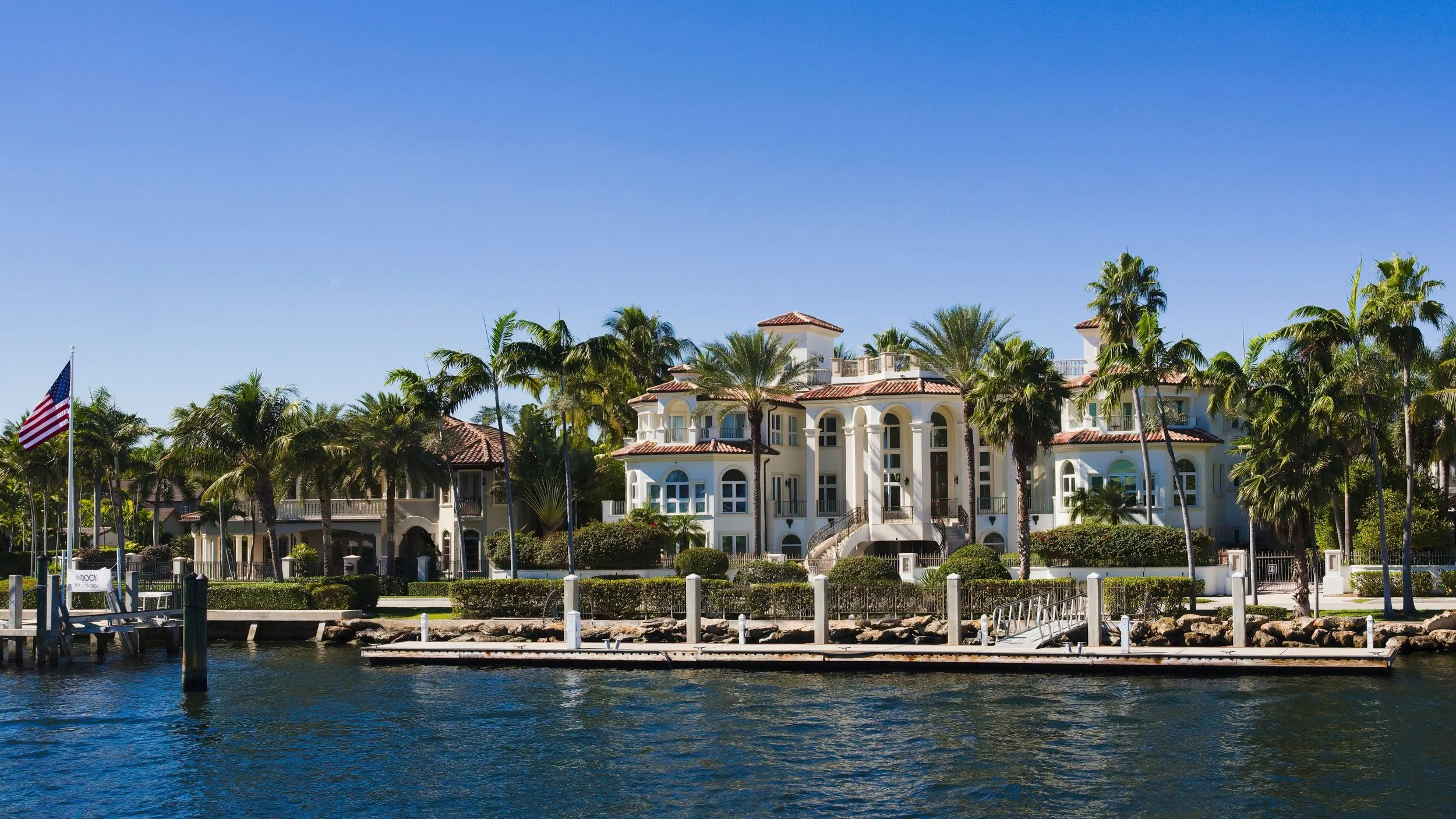
Miami is often defined by its beaches, nightlife, and waterfront setting, yet some of the city’s most memorable character can be found away from the obvious landmarks, behind private gates, beneath mature palms, and along quiet residential streets where architecture tells the story of how South Florida has evolved.
Few American cities bring together such a varied collection of residential styles within such a compact area. Mediterranean-inspired estates sit alongside tropical modern residences, historic homes are surrounded by dense gardens, and contemporary waterfront villas use glass, stone, and open floor plans to make Biscayne Bay part of the architecture itself. The result is a city where the home can become as much a part of the Miami experience as the neighborhood surrounding it.
For travelers staying in a private villa, this diversity offers something hotels rarely provide: the opportunity to experience Miami's design language from inside a residence rather than simply admiring it from the street.
Mediterranean Revival and Miami's Early Glamour
Some of South Florida's most recognizable residential architecture draws heavily from Mediterranean Revival design, a style that became particularly influential in Florida during the early decades of the twentieth century.
These homes often combine stucco exteriors, red-tile roofs, graceful archways, decorative ironwork, interior courtyards, and shaded terraces, creating residences that feel equally influenced by Spain, Italy, and the Mediterranean coast. The architecture works especially well in Miami because it was designed around warm weather, sunlight, gardens, and an easy movement between indoor and outdoor spaces.
Rather than relying on enormous glass walls or dramatic modern geometry, Mediterranean homes tend to reveal themselves gradually. An arched entry may lead into a courtyard filled with tropical landscaping, while French doors open from interior rooms onto terraces, gardens, fountains, or pools. The appeal is less about minimalism and more about atmosphere, craftsmanship, and a feeling of permanence.
In a city known for reinvention, these residences offer a sense of history that remains deeply connected to Miami's identity.
Coral Gables and the Grandeur of the Estate Home
Coral Gables provides one of the clearest examples of how architecture can shape the personality of an entire neighborhood. Tree-lined streets, landscaped medians, mature vegetation, and substantial private residences create an environment that feels distinctly removed from the vertical energy of Downtown Miami and Brickell.
Many of the area's signature homes embrace Mediterranean and Spanish influences, with tiled roofs, arched windows, courtyards, balconies, and richly landscaped grounds. Others reinterpret those traditions with more contemporary interiors while preserving the gracious proportions and architectural details that give Coral Gables its distinctive character.
The estate format is particularly well suited to travelers who value privacy. Homes may sit behind walls, gates, or dense landscaping, creating an arrival that feels residential and secluded even when restaurants, shopping, and cultural attractions are only a short drive away.
What makes Coral Gables especially interesting from a design perspective is the way architecture and landscaping work together. Large trees soften the streetscape, gardens create natural privacy, and outdoor living areas feel like extensions of the home rather than accessories added later.
Coconut Grove and Tropical Modernism
If Coral Gables represents formality and architectural tradition, Coconut Grove often feels more organic.
The neighborhood's long-established trees, winding streets, and proximity to Biscayne Bay have encouraged an approach to residential design that responds closely to the landscape. Homes are frequently surrounded by dense tropical vegetation, creating an atmosphere where architecture seems to sit within the environment rather than dominate it.
Tropical modern design is particularly effective here. Clean architectural lines can be softened by palms and mature trees, while expansive doors and windows allow natural light to move through interiors throughout the day. Covered terraces provide shade, courtyards offer private outdoor rooms, and landscaping becomes an essential part of the visual composition.
Some Grove residences are strikingly contemporary, while others incorporate elements of Caribbean, Bahamian, Mediterranean, or traditional Florida architecture. That lack of uniformity is part of the appeal. The neighborhood feels collected over time rather than designed according to a single aesthetic.
For luxury travelers, Coconut Grove offers an especially relaxed interpretation of Miami design, where sophistication is often expressed through natural materials, privacy, greenery, and connection to the outdoors rather than through overt formality.
Contemporary Waterfront Architecture
Modern waterfront villas have become one of the defining images of contemporary Miami luxury, and their design is closely connected to the landscape.
Where an older estate might frame the garden through a series of windows and doors, a contemporary waterfront residence often tries to remove the visual separation between indoors and outdoors almost entirely. Floor-to-ceiling glass, wide sliding doors, double-height living spaces, and open-plan interiors are used to draw attention toward the water.
The view becomes part of the design.
From the moment guests enter, sightlines are frequently arranged to lead directly toward a pool, terrace, garden, or bay. Kitchens, dining rooms, and living spaces often share one large volume, allowing groups to spend time together without sacrificing the feeling of space that defines contemporary luxury.
Materials tend to be restrained rather than ornate. Natural stone, warm wood, polished surfaces, glass, and carefully selected lighting can create interiors that feel sophisticated without competing with the surroundings. At night, architectural lighting can transform terraces, pools, and waterfront areas into entirely different spaces from those experienced during the day.
In the best contemporary Miami homes, luxury is not simply about size. It is about proportion, light, privacy, and the way every space relates to its setting.
Miami Beach: Where Architecture Continually Reinvents Itself
Miami Beach has one of the city's most recognizable architectural identities, yet its residential streets offer far more variety than visitors may expect.
Historic influences remain visible throughout the area, from Mediterranean Revival details to the streamlined curves and geometric forms associated with twentieth-century Miami Beach design. At the same time, waterfront neighborhoods have become showcases for some of the city's most ambitious contemporary homes.
On residential islands and along waterfront streets, modern architecture frequently emphasizes long horizontal lines, open interiors, rooftop terraces, oversized glass panels, and expansive pool decks. From the water, these homes create a striking contrast with the palms, docks, and older residences that surround them.
This mixture of architectural periods is one of Miami Beach's strengths. A contemporary villa might stand only a short distance from a residence influenced by an entirely different era, giving the city an architectural energy that feels constantly in motion.
The Importance of Indoor-Outdoor Living
Regardless of architectural style, one design principle appears repeatedly throughout Miami's best residences: outdoor space is treated as part of the home.
In colder climates, terraces and pools may function as seasonal additions, but in South Florida they often become central living areas. Covered patios can serve as outdoor dining rooms, pool decks become gathering spaces throughout the afternoon, and landscaped gardens provide privacy while allowing guests to spend far more time outside.
The transition between interior and exterior spaces is therefore particularly important. Wide doors, continuous flooring, shaded seating areas, outdoor kitchens, balconies, and strategically placed landscaping can make the home feel larger without simply increasing its square footage.
This is also one reason private villas can offer such a distinctive Miami experience. Guests are not limited to a hotel room and shared pool deck; instead, the architecture itself encourages the group to move naturally from breakfast indoors to an afternoon by the pool and dinner outside as the temperature begins to cool.
Featured Villa: Villa Emma
Villa Emma offers a contemporary interpretation of Miami residential design in North Miami Beach, where clean lines, generous proportions, and open interiors create a home designed for both privacy and gathering.
The approximately 6,200-square-foot residence features nine bedrooms, seven full bathrooms plus a half bathroom, and accommodations for up to 20 guests, making it particularly well suited to families and larger groups traveling together. Its open-concept living, dining, and entertainment spaces are designed to maximize natural light and create an easy flow throughout the home, while contemporary furnishings and high-end finishes give the interiors a polished yet comfortable character. A pool and spa extend the living environment outdoors, reinforcing the indoor-outdoor relationship that has become such an important part of modern Miami design. Current pricing is listed from $4,000 per night, depending on dates and availability.
Villa Emma is a good example of how today's luxury residences can feel sophisticated without becoming overly formal. Rather than relying on elaborate ornamentation, the home's appeal comes from space, light, contemporary materials, and the flexibility to move comfortably between communal areas and more private rooms.
For visitors interested in experiencing modern Miami architecture rather than simply observing it, staying in a residence like Villa Emma provides an opportunity to see how the city's current design language translates into everyday living.
Architecture as Part of the Travel Experience
Choosing where to stay in Miami is often approached primarily as a question of location, yet the style of the residence can influence the experience just as much as the neighborhood.
A Mediterranean estate offers a sense of history, texture, and romance. A tropical modern residence may feel private, relaxed, and closely connected to its gardens. A contemporary waterfront villa emphasizes light, openness, and views, while an estate-style property can provide the scale and privacy that larger groups often appreciate.
There is no single architectural style that defines Miami, and that may be precisely what makes the city so visually interesting.
Its residential landscape reflects different periods of development, waves of cultural influence, changing ideas about luxury, and an enduring relationship with the water and subtropical climate. Even within the same neighborhood, two homes can create entirely different experiences.
For travelers who appreciate architecture and interior design, selecting a villa becomes more than choosing the number of bedrooms or proximity to the beach. It becomes an opportunity to decide what kind of Miami they want to inhabit for the duration of the stay.
Experiencing Miami Through Design
Miami's architecture has always been part of the city's personality, from romantic Mediterranean estates and lush Coconut Grove residences to the glass-walled waterfront villas that now define a new generation of South Florida luxury.
These homes reveal a side of Miami that is quieter and more personal than the city's most photographed destinations. Behind the gates and landscaping are courtyards, terraces, gardens, pools, and interiors designed around the same elements that have always attracted people to South Florida: sunlight, water, warmth, and the ability to live comfortably outdoors.
For guests of Avali Villas, choosing a private residence offers the opportunity to experience those qualities firsthand. Whether the preference is contemporary minimalism, tropical surroundings, waterfront living, or a more traditional estate atmosphere, the architecture of the home can become an integral part of the stay rather than simply its backdrop.
In a destination celebrated for constantly changing, Miami's residential architecture provides an especially fascinating record of where the city has been, how it lives today, and where its interpretation of luxury may be heading next.